Ancient Maya's red pigment left toxic mercury legacy, new study finds
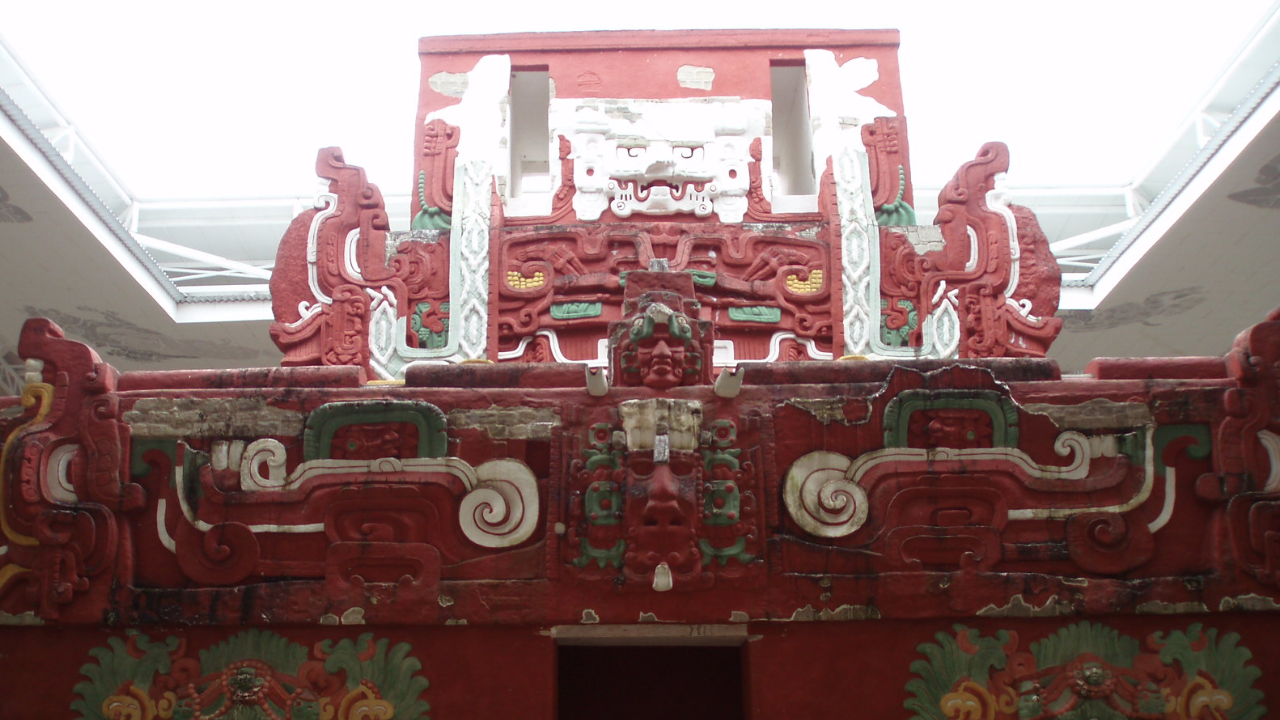
Ancient Maya civilization used a red pigment made of mercury-rich cinnabar for decoration and rituals. This practice led to significant mercury contamination of nearby lakes and ecosystems. Research indicates that ris...
## 📌 Overview & Key Highlights Ancient Maya civilization used a red pigment made of mercury-rich cinnabar for decoration and rituals. According to verified reporting via Times of India, this development sets an important precedent within the top story landscape and directly shapes upcoming strategic decisions. ### Core Takeaways * **Primary Update:** Ancient Maya's red pigment left toxic mercury legacy, new study finds. * **Operational Scope:** Coordinated execution across top story institutions and regional hubs. * **Verified Source:** Factual disclosures synthesized from Times of India briefings. ## 🔍 Detailed Ground Report & Context This practice led to significant mercury contamination of nearby lakes and ecosystems. Over recent weeks, decision-makers have evaluated multiple frameworks to strengthen resilience and modernize existing protocols. ### Key Implementation Measures Research indicates that rising mercury levels impacted aquatic organisms and may have affected human health. Dedicated teams have been deployed to oversee technical readiness, streamline stakeholder communication, and maintain strict quality benchmarks across every phase. ## 💬 Expert Analysis & Future Outlook ### Market & Community Impact Previous studies have also shown similar contamination at various Maya sites, raising concerns about widespread environmental impact. Moving forward, upcoming quarterly reviews and public updates will determine the next phase of expansion and long-term policy alignment. --- **Source Attribution:** Originally reported by [Times of India](https://timesofindia.indiatimes.com/science/archaeology/ancient-mayas-vivid-red-pigment-a-toxic-legacy-of-mercury-contamination-revealed-in-new-study/articleshow/135640059.cms). Author: TOI SCIENCE DESK. Original Publication Date: 11/8/2026.